: Main Street Murfreesboro to Host Town Hall on Proposed Downtown National Register Historic District
Downtown property and business owners encouraged to attend October 27 meeting
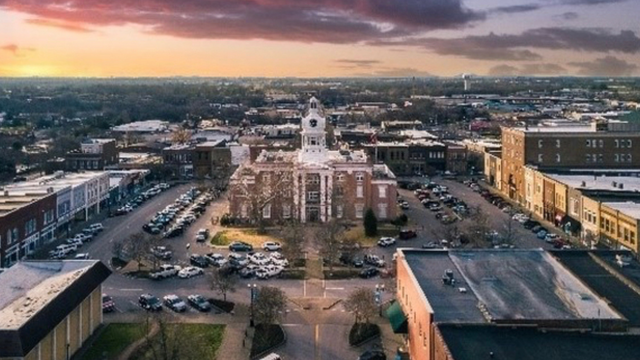
Main Street Murfreesboro will host a public town hall meeting on Tuesday, October 27, from 6 to 7 p.m. at its office, 225 West College Street, to discuss efforts to seek designation of the historic downtown business district as a historic district in the National Register of Historic Places.
Downtown property and business owners are especially encouraged to attend. The meeting is open to the public, and no RSVP is required.
The project consultant will explain the work Main Street Murfreesboro is undertaking, outline the National Register nomination process, and discuss what designation would mean for downtown businesses and properties. Attendees will have an opportunity to ask questions and learn about the proposed district.
The National Historic Register DOES NOT:
The National Historic Register Does Not:
Limit the rights of property owners to use, develop or sell their historic properties.
Require that historic properties be maintained, repaired, or restored.
Require that historic properties be open to the public.
Automatically bring about local landmark designation or local historic district zoning.
Provide markers or plaques for listed properties. Owners of listed properties may purchase plaques or markers if they wish.
Automatcially stop federal undertakings that could adversely impact historic resources.
Require review of local, state, or privately funded projects that could affect historic properties.
Assure that owners of historic properities will receive grants when funds are available.
Provide state or local tax benefits or low-interest loans to owners of historic properties.
List historic properties according to local criteria or list properties if the owner or majority of owners object to the listing.
The National Historic Register DOES:
The National Historic Register DOES:
Identify and evaluate significant buildings, structures, sites, objects, and districts according to the National Register criteria.
Make the public aware of historic resources by documenting their importance.
Provide information about historic resources for federal, state, local, or private agencies to use as a planning tool.
Expedite the federally mandated review of federal undertakings (funding, licensing) that could affect historic resources. Mitigation attempts to limit the adverse impacts on historic resources.
Make owners of historic properties eligible to apply for federal grants to undertake preservation projects when funds are available.
Enable owners of income-producing depreciable historic properties to use federal historic preservation tax credits for rehabilitation that follows the Secretary of the Interior’s standards.
List properties only if they meet the National Register criteria for significance and integrity and if the owner or the majority of owners agrees to the listing.
FOR MORE INFORMATION CONTACT: National Register of Historic Places